Clarity. Verified. Serenity.
Founder, Serenity Hearing Aid Centers · Independent Practice · Hearing Aid Dispensing License #7527 · Certified Dementia Practitioner · Disabled Veteran · International Hearing Society Member, 18 Years
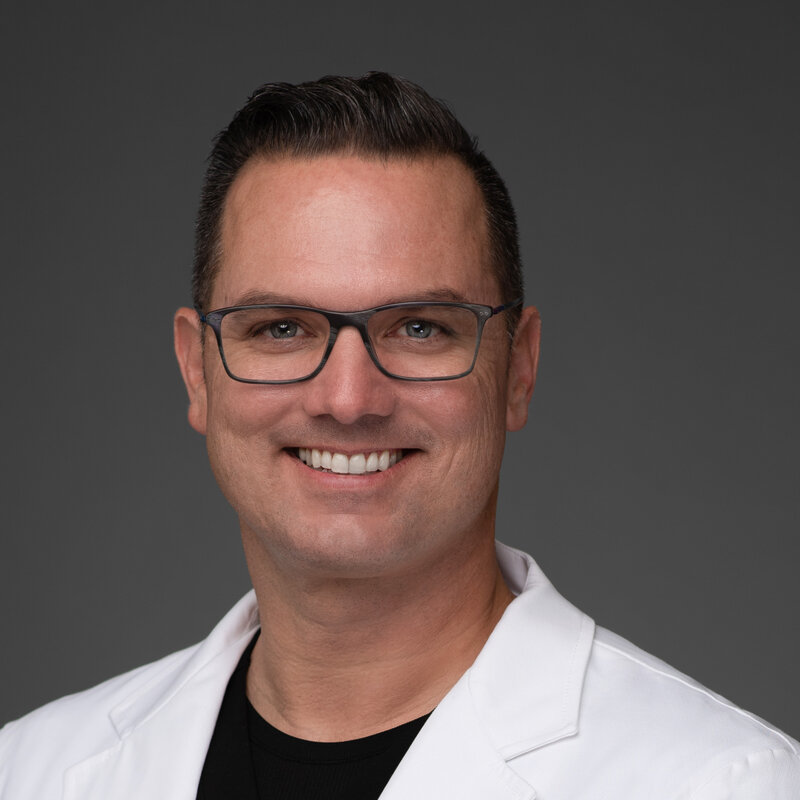
Before I ever fit a hearing aid, I served in the U.S. Army as a Combat Engineer. I'm a disabled veteran myself, and that's not a line on a bio — it's a big part of why I built Serenity Hearing Aid Centers around veterans' care, and why advocating for veterans and the hard-of-hearing community has stayed a constant thread through everything since.
I've spent 18 years and more than 38,000 hours fitting hearing aids. I managed stores for Amplifon/Miracle-Ear, one of the largest hearing aid conglomerates in the world, then spent four years at Newport Audiology, before leaving to build something different. I watched, from the inside, what a corporate hearing aid model actually optimizes for — and it wasn't always the person in the chair.
I'm also California's own state licensing exam proctor and a paid subject matter expert, and I've mentored more than fifteen people into their own hearing aid dispensing licenses. I've lobbied in Sacramento and Washington, D.C. on behalf of veterans' hearing care, because the system around this profession matters as much as any single fitting.
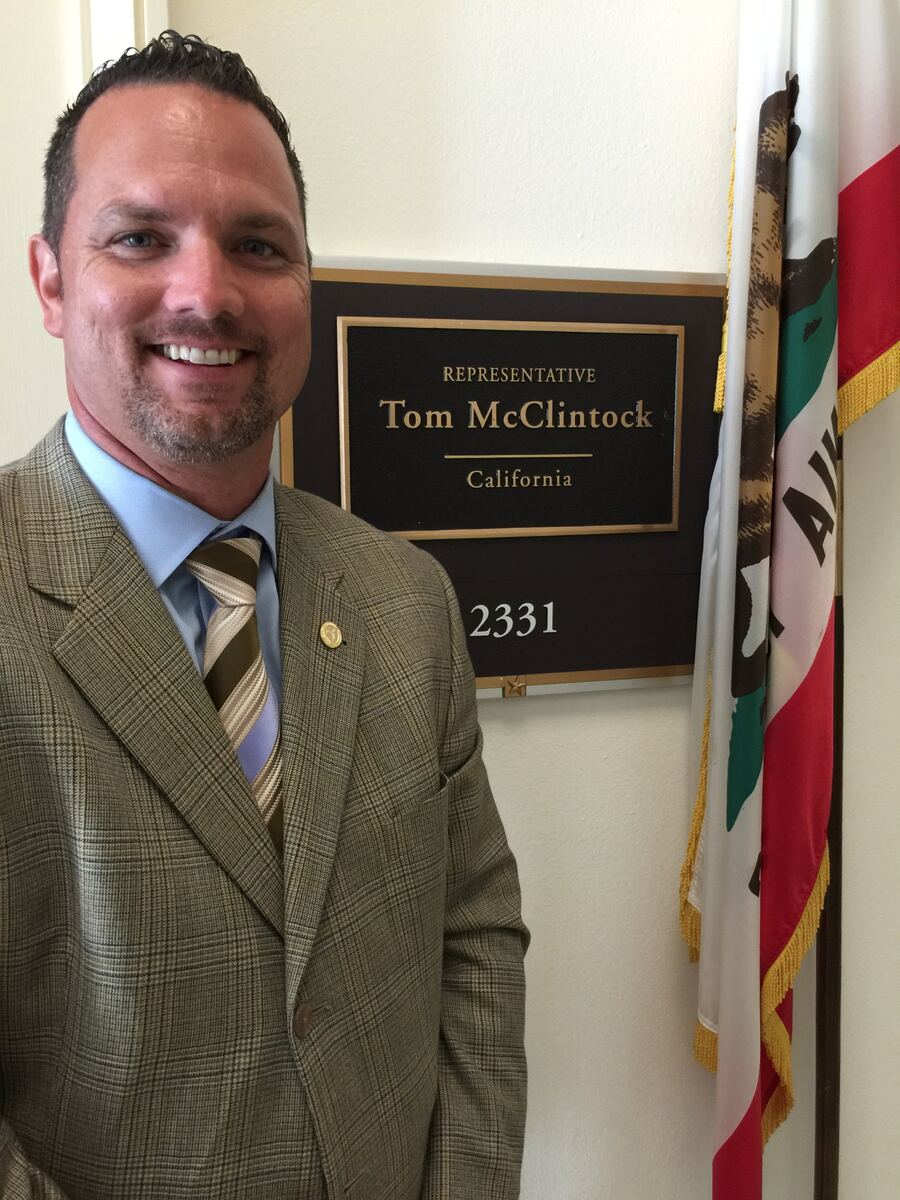
That's me in Washington, D.C., outside Congressman Tom McClintock's office, after meeting with his staff alongside the International Hearing Society to lobby for what became known as the "Fit to Serve" Act — H.R. 3471.
On December 2, 2016, President Obama signed it into law. It directed the Department of Veterans Affairs to officially recognize and use licensed Hearing Aid Specialists, cutting the long wait times veterans had been facing and expanding access to quality hearing care through the VA.
I've lobbied in Sacramento and Washington, D.C. more than once on behalf of veterans' hearing care, because as a disabled veteran myself, I know what it's like to wait on the other side of a system that isn't built around you.
This isn't theoretical for me. I live with tinnitus and auditory processing sensitivity every day, and I wear the same technology I recommend to the guests who walk through my door. When I talk about what it feels like to sit in a loud restaurant and lose the thread of a conversation, or to test a device yourself and have it make things worse instead of better, I'm not guessing. I've lived it.
That's also why I take real ear measurement and live speech mapping as seriously as I do. I've seen, from the guest's chair and from the provider's chair, exactly what happens when a hearing aid gets handed over on a generic formula and nobody ever checks whether it's actually doing its job for the specific person wearing it.
Screened. Verified. Promised.
I named it Serenity on purpose. The goal was never just better hearing — it's the actual peace of mind that comes from knowing something was done right, verified, not guessed at.
Everything about how Serenity Hearing Aid Centers runs — the Clarity Hearing Screening™, the Clarity Fitting™, the Serenity Promise — exists to close that gap, every time, for every guest, regardless of which manufacturer's technology ends up being the right fit.
Everything I've built here comes down to one formula: real science, proven best practices, genuine hospitality, and real affordability. The science is what makes the cleanest, most natural sound signal possible. The best practices — real ear measurement, live speech mapping, annual re-screening — are what make sure that signal actually reaches your brain, verified, not assumed. The hospitality is what makes it feel like you're being cared for, not processed. And the affordability — a free insurance benefit check before cost ever comes up, real payment plans, no pressure — is what makes sure a hearing decision never has to become a financial decision. Take any one of the four away, and you don't get the same outcome. All four together are what result in your best possible outcome, and what I mean when I say: experience your serenity.
Eighteen years and 38,000-plus hours in the chair means a lot of stories. These are two I carry with me.
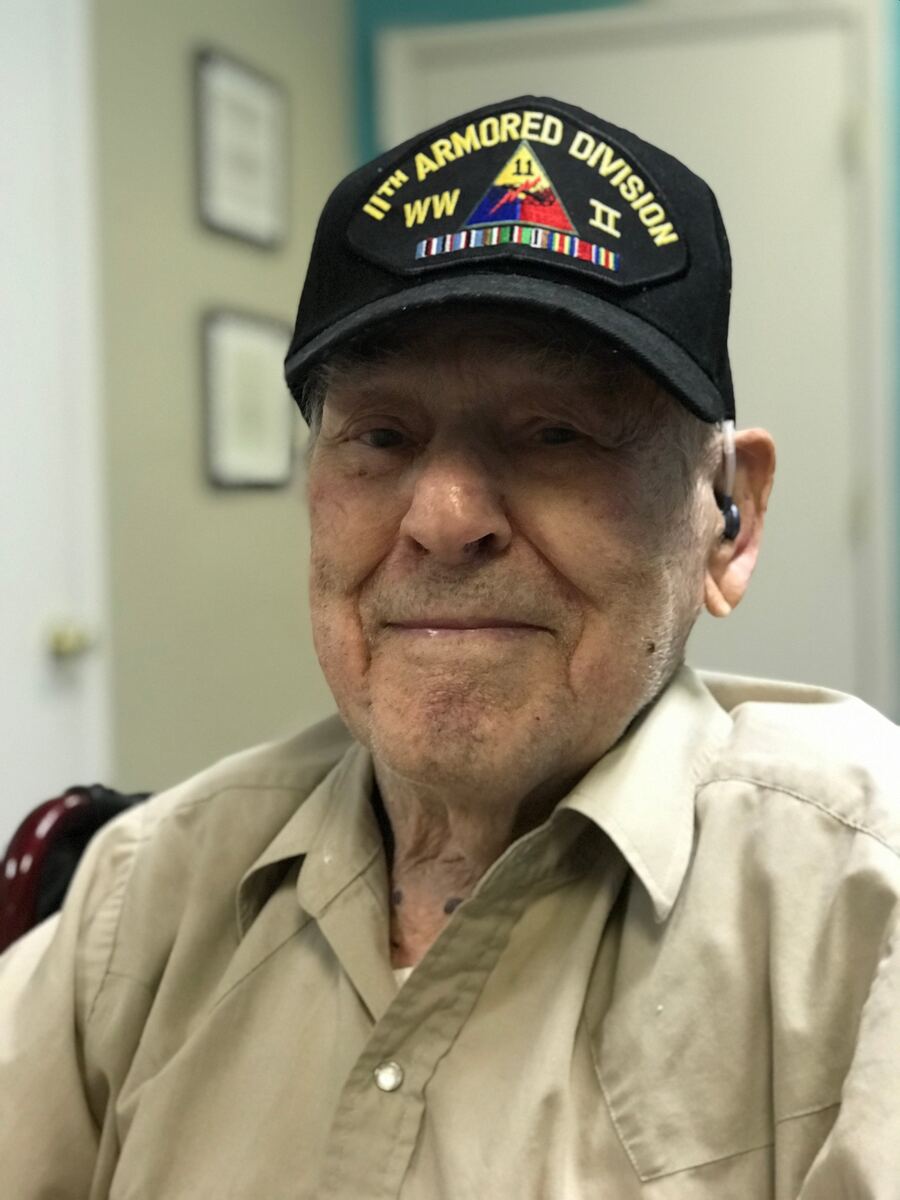
This guest served with Patton's 11th Armored Division and was part of the forces that helped break the siege at the Battle of the Bulge. Getting to help a man who gave that much hear his family again, years later, is exactly why I do this work.
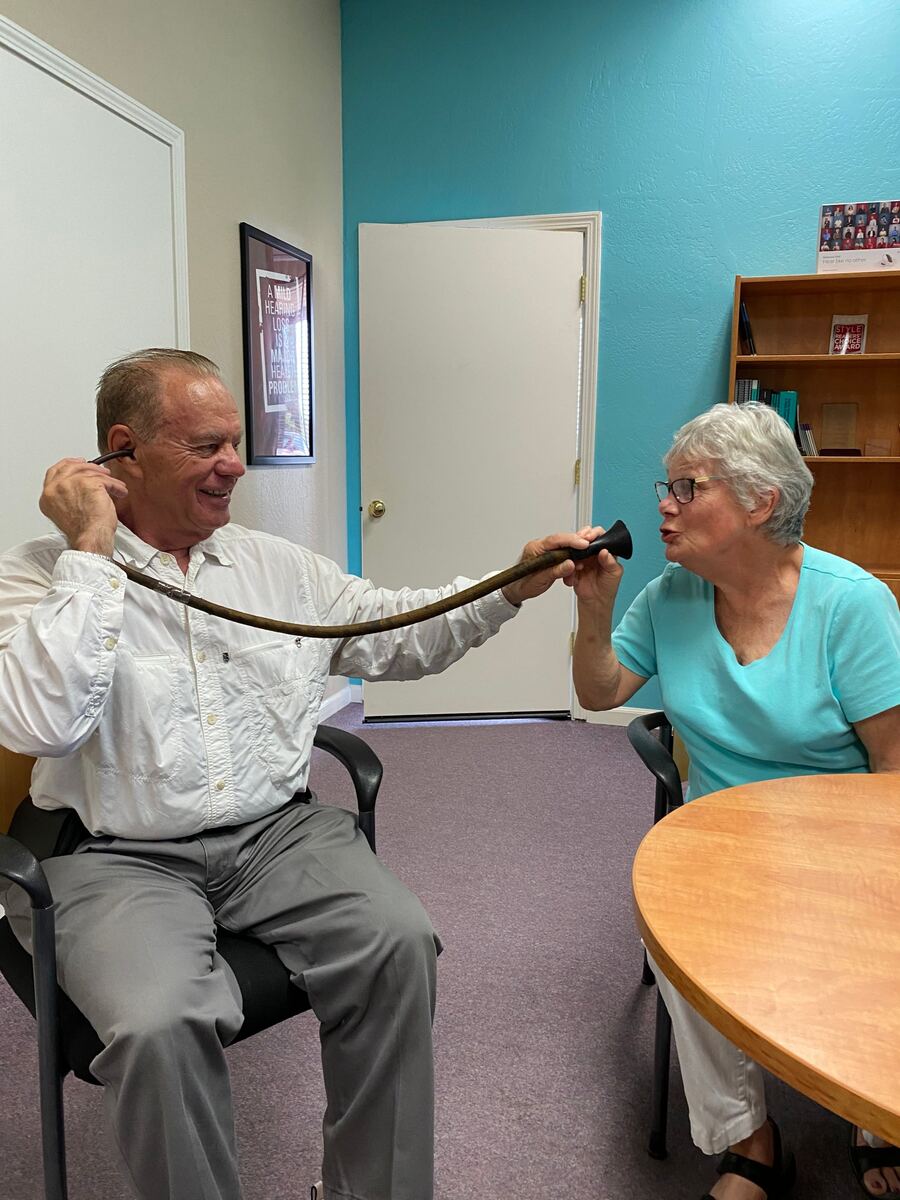
Hearing care doesn't always have to be serious. This is one of my favorite photos from the office — two guests demonstrating just how far hearing technology has come, from an antique ear trumpet to what we fit today.
I live in Folsom with my three children, who have always inspired me to be better at this. When I'm not in the chair with a guest, I'm usually reading the latest hearing and cognitive health research, or at a conference somewhere trying to stay current on it — because the guests who trust me with their hearing deserve someone who actually keeps up.
“Catch what's reversible — because what comes after often isn't.”Bill Forrest, CDP — Live Long. Live Well. Hear Well.